Exploring the 4L60E’s adaptability‚ this transmission’s potential for manual control is revealed through modifications and tuning‚ enhancing driver engagement and performance capabilities.
What is the 4L60E?
The 4L60E is a four-speed automatic transmission widely utilized in General Motors vehicles from 1992 to 2002‚ and beyond in some applications. Known for its robustness and relative simplicity‚ it’s a popular choice for performance builds and modifications. While originally designed for automatic operation‚ the 4L60E possesses the inherent capability to be converted for manual control. This conversion involves bypassing the automatic shifting mechanisms and implementing a system allowing the driver to directly select gears‚ offering a more engaging driving experience and precise control over power delivery.
History and Applications
Initially appearing in rear-wheel-drive GM vehicles‚ the 4L60E quickly became a staple in platforms like the Chevrolet Camaro‚ Pontiac Firebird‚ and various trucks and SUVs. Its widespread use fostered a large aftermarket‚ crucial for manual shift conversions. Early adopters sought greater control in racing and performance applications. The transmission’s adaptability allowed enthusiasts to move beyond factory limitations. Today‚ manual control 4L60Es are common in drag racing‚ drifting‚ and custom builds‚ demonstrating its enduring appeal and versatility.

Understanding Manual Shifting with a 4L60E
Converting to manual control unlocks precise gear selection‚ offering a more connected driving experience and enabling performance tuning beyond automatic programming limits.
Why Manually Shift an Automatic?
The appeal of manual control over a 4L60E stems from a desire for heightened driver engagement and performance optimization. Unlike relying on the transmission’s computer‚ manual shifting allows precise gear selection for specific driving conditions – track days‚ towing‚ or spirited road driving. This bypasses the TCM’s programmed shift points‚ granting full authority to the driver. Furthermore‚ it enables customized shift strategies‚ maximizing engine power and efficiency. It’s about reclaiming control and tailoring the driving experience to individual preferences‚ moving beyond the limitations of factory settings.
Necessary Modifications for Manual Control
Achieving manual control of a 4L60E necessitates several key modifications. A shift lever and cable assembly are crucial for driver input‚ directly influencing transmission behavior. TCM intervention must be managed‚ often requiring reprogramming or aftermarket control modules. Pressure switch integration provides feedback to the TCM regarding driver selections. Wiring harness alterations are typically needed to connect the new components. These changes allow the driver to override automatic functions‚ enabling precise gear selection and a more engaging driving experience.
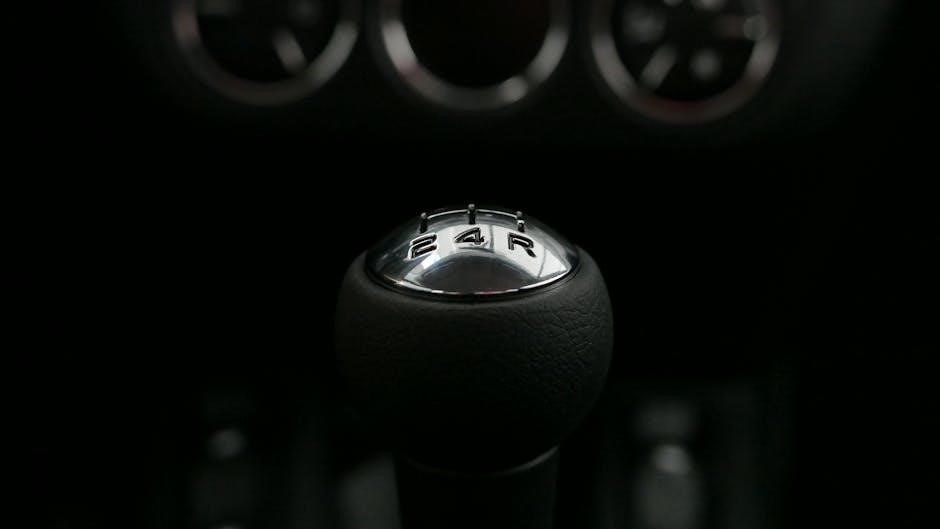
Components Required for Manual Shifting
Essential parts include a shift lever‚ cable‚ TCM interface‚ and pressure switches; these components facilitate driver control and signal transmission for precise gear changes.
Shift Lever and Cable Installation
Proper installation of the shift lever and cable is crucial for accurate manual control. This involves securely mounting the lever within the vehicle‚ ensuring smooth and precise movement. The cable must be routed correctly‚ avoiding any obstructions or binding points that could hinder shifting performance.
Adjustment is key; the cable needs to align perfectly with the transmission’s shift linkage. Incorrect alignment leads to imprecise shifts or difficulty selecting gears. Careful attention to detail during this phase guarantees a responsive and reliable manual shifting experience‚ maximizing control and enjoyment.
TCM (Transmission Control Module) Considerations
The TCM requires careful consideration when implementing manual shifting. It’s essential to understand how the TCM interprets signals from the new shift lever and cable setup. Reprogramming the TCM is often necessary to disable automatic functions and enable full manual control‚ preventing interference with driver input.
Signal interpretation must be accurate; the TCM needs to correctly identify each selected gear. Incorrect programming can lead to erratic shifting or even damage to the transmission. Proper calibration ensures seamless integration and optimal performance.
Pressure Switch Setup
Accurate pressure switch configuration is vital for successful manual shifting. These switches provide the TCM with crucial data regarding gear selection and hydraulic pressure within the transmission. Proper adjustment ensures the TCM accurately recognizes intended gear changes‚ preventing unintended shifts or solenoid conflicts.
Calibration is key; incorrect pressure readings can lead to harsh or delayed engagement. Utilizing a scan tool to monitor switch outputs during shifting is recommended for precise setup and reliable performance.

Wiring and Electrical Connections
Modifying the wiring harness enables communication between the shift lever‚ TCM‚ and solenoids‚ facilitating manual control and precise gear selection functionality.
Wiring Harness Modifications
Adapting the factory wiring harness is crucial for implementing manual shifting. This often involves identifying and repurposing existing wires or adding new ones to connect the chosen shift lever mechanism to the Transmission Control Module (TCM). Careful attention must be paid to pin assignments and signal compatibility.
Specifically‚ wires controlling specific solenoids may be intercepted and re-routed to respond to the driver’s manual shift inputs. Proper soldering‚ insulation‚ and strain relief are essential for a reliable and safe installation‚ preventing shorts or intermittent connections. Detailed wiring diagrams are paramount for success.
Signal Interpretation by the TCM
The TCM requires precise signal interpretation to execute manual shifts correctly. When the driver moves the shift lever‚ the TCM must recognize these inputs as commands to upshift or downshift‚ overriding its automatic programming. This is achieved through modified wiring that sends specific voltage or resistance signals.
Proper calibration within the TCM’s software is vital; it must accurately translate these signals into appropriate gear selections. Incorrect interpretation can lead to harsh shifts‚ incorrect gear engagement‚ or even transmission damage‚ necessitating careful tuning and testing.

Performing Manual Shifts
Executing smooth transitions requires coordinating throttle input with deliberate shifts‚ mirroring a traditional manual transmission’s feel and control for optimal performance.
Upshifting Techniques
Mastering upshifts with a 4L60E involves a precise sequence. Briefly lift off the throttle‚ simultaneously activating the upshift mechanism – typically a tap or hold on the shift lever. Coordinate this with a smooth reapplication of throttle to maintain momentum. Avoid abrupt movements; a fluid transition minimizes stress on the transmission components.
Proper timing is crucial; upshifting too early results in bogging‚ while delaying too long strains the engine. Listen to the engine’s RPMs and feel for the optimal shift point‚ adjusting based on driving conditions and desired performance. Practice makes perfect!
Downshifting Techniques
Executing smooth downshifts with the 4L60E requires finesse. Briefly release the throttle‚ then activate the downshift mechanism – a tap or pull on the shift lever. Simultaneously‚ blip the throttle to raise engine RPMs‚ matching wheel speed for a seamless transition. This prevents harsh engagement and driveline shock.
Rev-matching is key; practice coordinating throttle and shifter movements. Downshift before entering corners or needing increased engine braking. Avoid aggressive downshifts at high speeds to protect the transmission.
Troubleshooting Common Issues
Diagnosing manual shift problems involves checking cable adjustments‚ TCM programming‚ and solenoid functionality; accurate diagnosis ensures optimal performance and prevents further damage.
Shift Cable Adjustment Problems
Improper shift cable adjustment is a frequent issue when converting to manual control of a 4L60E. Symptoms include difficulty selecting gears‚ imprecise shifts‚ or the inability to fully engage certain positions. This often stems from stretching or wear within the cable itself‚ or misalignment at either the shift lever or transmission end.
Careful inspection and adjustment‚ following the manufacturer’s specifications‚ are crucial. Incorrect adjustment can lead to internal transmission damage or unsafe driving conditions‚ potentially causing unintended gear selection. Regular checks are recommended‚ especially after initial installation or significant driving.
TCM Programming Errors
Incorrect TCM (Transmission Control Module) programming is a common hurdle in 4L60E manual shift conversions. The TCM must recognize and interpret the new manual input signals correctly. Errors can manifest as erratic shifting‚ failure to recognize gear selections‚ or even a complete loss of transmission control.
Utilizing specialized software and a qualified tuner is essential. Incorrect parameters or incomplete programming can cause significant issues. Verify compatibility and thoroughly test all gear positions post-programming to ensure proper functionality and safety.
Solenoid Malfunctions
Even with manual control implemented‚ 4L60E solenoids remain active for certain functions‚ potentially causing issues. A malfunctioning solenoid can interfere with desired shifts‚ creating unpredictable behavior or preventing gear changes altogether. Diagnostic scans are crucial for identifying faulty solenoids.
While manual shifting bypasses some solenoid control‚ others manage internal functions. Replacement with high-quality solenoids is recommended during conversion. Thorough testing after installation confirms proper operation and prevents unexpected transmission problems.

Performance and Tuning
Optimizing manual control‚ shift point calibration and firmware updates refine the 4L60E’s responsiveness‚ delivering a tailored driving experience and maximizing performance gains.
Shift Point Calibration
Precise shift point calibration is crucial for maximizing the benefits of a manually shifted 4L60E. Adjusting these points allows drivers to keep the engine within its optimal power band during acceleration and deceleration. This process involves modifying the Transmission Control Module (TCM) parameters to dictate when upshifts and downshifts occur based on vehicle speed and throttle position.
Careful calibration ensures smooth transitions and prevents unnecessary gear changes‚ enhancing both performance and fuel efficiency. Utilizing data logging and dyno testing can refine these settings for a truly personalized driving experience‚ unlocking the full potential of the modified transmission.
Firmware Updates for Enhanced Control
Regular firmware updates for the TCM are vital when implementing manual shifting capabilities on a 4L60E. Updated firmware often includes refined algorithms for interpreting driver inputs and controlling solenoid operation‚ leading to smoother and more predictable shifts. These updates can unlock advanced features‚ such as adjustable shift speed and torque management settings.
Accessing the latest firmware ensures compatibility with new hardware and optimizes the transmission’s performance. Proper installation and configuration are essential to avoid operational issues and fully realize the benefits of enhanced control;

Safety Considerations
Prioritize careful installation and testing of manual shift systems on the 4L60E‚ alongside understanding emergency override procedures for safe operation.
Proper Installation Procedures
Meticulous installation is paramount for a reliable manual shift conversion on the 4L60E. Begin with a comprehensive review of the wiring diagrams and component placement. Ensure all connections are secure and properly insulated to prevent shorts or signal interference.
Double-check shift cable routing‚ avoiding any binding or interference with other vehicle systems. Accurate TCM programming is crucial; incorrect settings can lead to erratic shifting or damage. Finally‚ thoroughly test the system in a controlled environment before road use‚ verifying each gear selection functions as intended.
Emergency Procedures
In the event of a manual shift system failure on the 4L60E‚ immediately assess the situation. If possible‚ safely pull over and revert to the transmission’s default automatic mode.
Be prepared for potentially harsh or unexpected shifts if the TCM is malfunctioning. Avoid aggressive driving and limit speed. If complete loss of gear control occurs‚ carefully utilize the brakes to bring the vehicle to a stop‚ and seek professional towing assistance to prevent further damage.
Advanced Techniques
For ultimate control‚ explore full manual valve body installations and custom TCM programming‚ unlocking precise shift patterns and maximizing the 4L60E’s potential.
Full Manual Valve Body Installation
Transitioning to a fully manual valve body represents the pinnacle of 4L60E control‚ eliminating the TCM’s influence on shift decisions. This involves replacing the stock valve body with a unit designed for entirely driver-controlled gear selection. Installation demands meticulous attention to detail‚ ensuring proper lubrication and sealing to prevent leaks.
It necessitates a direct mechanical linkage – typically a shift lever and cable – to engage each gear. While complex‚ this setup provides unparalleled responsiveness and customization‚ allowing for precise shift points tailored to individual driving styles and performance goals. Expect a significant increase in driver involvement.
Custom TCM Programming
Refining control beyond basic modifications‚ custom TCM programming unlocks advanced manual shifting capabilities. This involves altering the transmission’s software to interpret driver inputs – from a shift lever or paddle shifters – and execute corresponding gear changes. Skilled tuners can adjust shift points‚ firmness‚ and even enable features like launch control.
Sophisticated software and hardware interfaces are crucial for successful reprogramming. Careful calibration is essential to avoid erratic shifting or damage to the transmission. This method offers a balance between automated assistance and driver authority‚ maximizing performance and drivability.

Parts and Resources
Sourcing components is key; online forums and specialized retailers offer shift kits‚ TCM tuning tools‚ and cables vital for successful 4L60E manual conversions.
Where to Source 4L60E Parts
Finding reliable parts suppliers is crucial for a successful manual shift conversion. Several online retailers specialize in 4L60E transmissions and related components‚ offering shift kits‚ solenoids‚ and valve bodies. Dedicated performance transmission shops often provide custom-tuned TCMs and expert advice.
Furthermore‚ exploring online forums and communities dedicated to the 4L60E can uncover valuable leads on hard-to-find parts and reputable vendors. Local transmission rebuilders may also stock necessary components or offer rebuilding services tailored to manual control applications. Prioritize quality and compatibility when selecting parts.
Online Forums and Communities
Dedicated online forums are invaluable resources for 4L60E manual shift conversions. These platforms connect enthusiasts sharing experiences‚ troubleshooting tips‚ and custom tuning strategies. Members often document their builds‚ providing detailed guides and part recommendations.
Active communities facilitate knowledge exchange regarding TCM programming‚ wiring modifications‚ and shift cable adjustments. Searching existing threads can resolve common issues‚ while posting questions allows direct interaction with experienced builders. These forums foster a collaborative environment for successful conversions.

Maintenance and Longevity
Regular fluid and filter changes are crucial for a manually shifted 4L60E‚ alongside consistent inspection of shift components to ensure optimal performance and durability.
Fluid Changes and Filter Replacement
Maintaining the 4L60E’s fluid is paramount‚ especially with manual shifting. Increased driver control often translates to more aggressive engagements‚ generating greater heat. Frequent fluid changes – every 30‚000 miles or annually – are recommended using a high-quality‚ synthetic ATF.
Filter replacement should coincide with fluid changes to prevent debris buildup that can harm internal components. Inspect the pan for metallic particles‚ indicating potential wear. Consistent maintenance extends the transmission’s lifespan and ensures smooth‚ reliable manual operation.
Regular Inspection of Shift Components
Consistent inspection is crucial when manually shifting a 4L60E. Focus on the shift cable‚ ensuring smooth‚ precise movement without binding or excessive play. Check cable connections at both the lever and transmission ends for looseness.
Examine the TCM connections for corrosion or damage. Verify proper solenoid operation during shifts. Any unusual noises or delayed engagement warrant immediate attention to prevent further complications and maintain optimal control.
Legal Considerations
Modifying a 4L60E for manual control may require adherence to local vehicle modification laws and inspection standards‚ potentially impacting warranty coverage.
Modifications and Vehicle Inspections
Implementing manual shifting on a 4L60E often necessitates alterations that could trigger scrutiny during vehicle inspections. Ensure all modifications comply with state and local regulations regarding drivetrain alterations. Documentation of parts used and installation procedures is crucial. Some jurisdictions may require re-certification or inspection to verify roadworthiness and emissions compliance post-modification. Failure to adhere to these standards could result in fines‚ or the vehicle being deemed unfit for road use‚ highlighting the importance of thorough research before commencing any work.
Warranty Implications
Modifying a 4L60E for manual control frequently voids the manufacturer’s powertrain warranty. Any alterations to the transmission‚ TCM‚ or associated systems are generally considered aftermarket changes. These changes release the manufacturer from responsibility for subsequent transmission failures‚ even if unrelated to the modification. Extended warranties may also be invalidated. Carefully assess these risks before proceeding‚ and understand potential repair costs if issues arise post-modification‚ as coverage will likely be unavailable.
Future Trends in 4L60E Modification
Advanced digital control systems and refined shift algorithms promise increasingly precise and customizable manual shifting experiences for the adaptable 4L60E transmission.
Digital Control Systems
The integration of sophisticated digital control systems represents a significant leap forward in 4L60E manual shifting capabilities. These systems move beyond traditional TCM limitations‚ offering unparalleled precision and customization. Expect fully programmable shift maps‚ real-time data logging for performance analysis‚ and adaptive learning algorithms that optimize shift points based on driving style and conditions.
Furthermore‚ advanced interfaces – potentially including smartphone apps or dedicated displays – will provide drivers with intuitive control and comprehensive feedback‚ unlocking the full potential of a manually shifted 4L60E.
Improved Shift Control Algorithms
Next-generation shift control algorithms are poised to revolutionize the 4L60E manual shifting experience. These algorithms will dynamically adjust shift parameters – like torque management and shift speed – based on a multitude of factors‚ including throttle position‚ vehicle speed‚ and engine load.
Predictive algorithms will anticipate driver intentions‚ enabling smoother‚ more responsive shifts. This results in enhanced performance‚ reduced stress on the transmission‚ and a more engaging driving experience‚ maximizing the benefits of manual control.