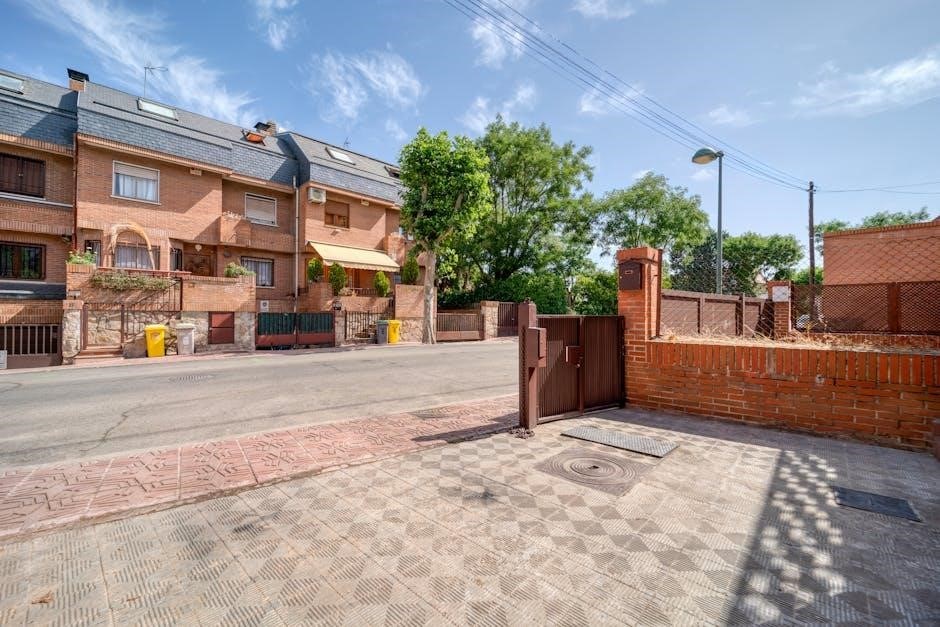
Manual Sliding Driveway Gates: A Comprehensive Guide
Considering enhanced property security and aesthetic appeal? Manual sliding gates offer a robust, cost-effective solution, ranging from $3,000 to $15,000 for installation.
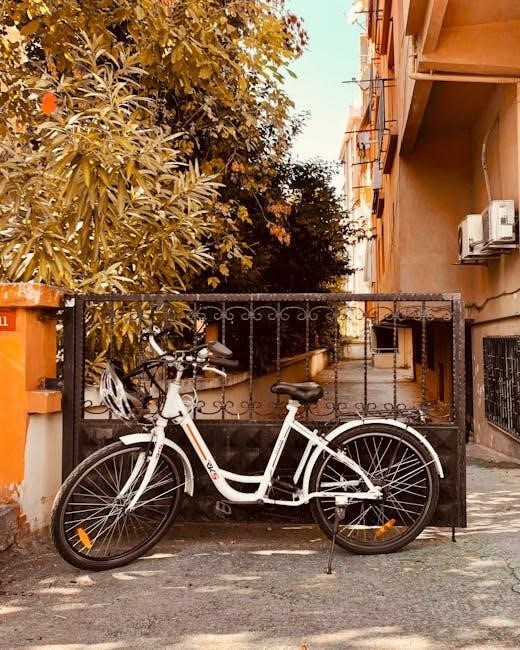
Manual sliding gates represent a classic and reliable access control solution for residential and commercial properties. Unlike their automated counterparts, these gates operate solely on physical effort, offering a dependable alternative without the need for electricity or complex wiring.
They’ve been a staple for securing driveways for decades, prized for their simplicity and durability. While requiring manual operation for opening and closing, they provide a significant security barrier and enhance privacy. The initial investment is generally lower than automated systems, making them an attractive option for budget-conscious property owners seeking a robust security upgrade.
Benefits of Choosing a Manual Sliding Gate
Opting for a manual sliding gate delivers several key advantages. Primarily, they eliminate reliance on electricity, ensuring functionality even during power outages – a crucial benefit for security. The initial cost is typically lower, ranging from $3,000 to $15,000 installed, compared to automated systems.
Furthermore, manual gates require less maintenance, reducing long-term expenses. Their simple design translates to fewer potential mechanical failures. They also offer a degree of control and physical interaction that some homeowners prefer, providing a tangible sense of security.
Manual vs. Automatic Sliding Gates: Key Differences
The core distinction lies in operation: manual gates require physical effort to open and close, while automatic gates utilize motors. This impacts convenience – automatic gates offer effortless access, but depend on a functioning power supply.
Cost is another factor; manual gates generally have lower upfront expenses, ranging from $3,000 to $15,000 installed, but automatic systems offer convenience. Maintenance is simpler for manual gates, while automatic versions require more complex servicing.
Types of Manual Sliding Gate Materials
Selecting the right material is crucial for longevity and aesthetics. Steel sliding gates provide exceptional durability and security, ideal for high-traffic areas or properties needing robust protection. Aluminum offers a lightweight, corrosion-resistant alternative, suitable for coastal environments.
Wrought iron presents a classic, ornate aesthetic, adding a touch of elegance, though it requires regular maintenance to prevent rust. Material costs significantly impact the overall installation price, ranging from $3,000 to $15,000.
Steel Sliding Gates: Durability and Security
Steel gates are renowned for their exceptional strength and resistance to forced entry, making them a premier choice for security-conscious property owners. They withstand harsh weather conditions and heavy use, ensuring a long service life.
While potentially requiring rust-proofing, steel’s robustness justifies the investment. Installation costs, contributing to the $3,000-$15,000 range, reflect this superior material and construction quality, offering lasting peace of mind.
Aluminum Sliding Gates: Lightweight and Corrosion-Resistant
Aluminum gates present a compelling alternative, prized for their inherent resistance to rust and corrosion, particularly beneficial in coastal or humid climates. Their lightweight nature simplifies installation, potentially reducing labor costs within the $3,000-$15,000 installation price range.
Though not as inherently strong as steel, aluminum gates offer excellent security when properly constructed and paired with robust locking mechanisms, providing a balance of affordability and protection.
Wrought Iron Sliding Gates: Classic Aesthetics
Wrought iron gates embody timeless elegance and superior strength, often becoming a focal point of a property’s curb appeal. While installation costs – falling within the $3,000 to $15,000 range – can be higher due to material and labor, the investment yields lasting value.
Despite requiring periodic maintenance to prevent rust, wrought iron provides exceptional security and a customizable aesthetic, enhancing both property value and peace of mind.
Components of a Manual Sliding Gate System
A functional manual sliding gate relies on several key components working in harmony. These include a robust gate frame and panels, constructed from materials like steel, aluminum, or wrought iron. Crucially, the sliding gate track and rollers facilitate smooth operation, while securely anchored gate posts provide essential support.
Finally, reliable gate latches and locking mechanisms are paramount for security, contributing to the overall cost, potentially ranging from $3,000 to $15,000 for a complete installation.
Gate Frame and Panels
The gate frame forms the structural backbone, typically constructed from steel, aluminum, or wrought iron, influencing both durability and cost – potentially impacting the $3,000 to $15,000 installation range. Panels fill the frame, offering privacy and aesthetic appeal.
Panel designs vary widely, from simple flat surfaces to ornate decorative elements. Robust construction is vital, ensuring the gate withstands regular use and environmental factors, contributing to long-term security and value.
Sliding Gate Track and Rollers
The track is the pathway for smooth gate operation, typically made of galvanized steel to resist corrosion, impacting the overall installation cost within the $3,000 to $15,000 range. Rollers, mounted to the gate, glide along the track, requiring regular lubrication for optimal performance.
High-quality rollers are crucial for preventing sticking and ensuring effortless manual operation. Proper track alignment and secure anchoring are essential for stability and longevity.
Gate Posts and Anchoring
Robust gate posts are fundamental to a secure and functional sliding gate system, contributing to the overall project cost, potentially reaching $15,000 for luxury installations. Typically constructed from steel or reinforced wood, posts must withstand significant stress.
Proper anchoring – using concrete footings – is vital for stability, preventing leaning or failure. Accurate post alignment during installation is crucial for smooth gate travel along the track.
Gate Latches and Locking Mechanisms
Securing a manual sliding gate relies on dependable latches and locking systems, contributing to the overall investment, which can range up to $15,000 for elaborate setups. Simple spring latches offer basic closure, while more advanced options include padlocks, cane bolts, and drop rods.
Enhanced security demands robust locking mechanisms resistant to tampering. Consider adding a secondary lock for increased protection, especially given the gate’s potential value.
Measuring for a Manual Sliding Gate
Accurate measurements are crucial for a functional and secure manual sliding gate, impacting the overall installation cost, potentially reaching $15,000 for custom designs. Determine the gate width – the opening size plus overlap for proper closure. Calculate height, considering desired privacy and aesthetic preferences.
Track length requires careful calculation, often exceeding the opening width. Precise post spacing and solid foundations are vital for stability and smooth operation.
Determining Gate Width and Height
Precisely measuring gate dimensions is fundamental, influencing the final installation cost, which can range up to $15,000 for luxury gates. Measure the driveway opening’s width, adding several inches for overlap – typically 3-6 inches – to ensure a secure closure.
For height, consider desired privacy levels and aesthetic integration with your property. Standard heights range from 4 to 6 feet, but custom options are available.
Calculating Track Length

Accurate track length calculation is crucial for smooth gate operation, impacting the overall project cost, potentially reaching $15,000 for custom installations. The track must exceed the gate’s width by at least half its width, plus additional length for safe storage when fully open.
Account for any curves or obstructions, adding extra length accordingly. Precise measurements prevent binding and ensure reliable sliding functionality.
Post Spacing and Foundation Requirements
Robust post foundations are paramount, especially considering installation costs can range up to $15,000 for luxury gates. Post spacing depends on gate weight and local wind conditions; typically, posts are spaced 8-10 feet apart.
Foundations should extend below the frost line, utilizing concrete footings for stability. Proper anchoring prevents leaning or shifting, ensuring long-term security and smooth gate operation.

Installation Process: A Step-by-Step Guide

Begin by meticulously preparing foundations for gate posts, ensuring proper depth below the frost line for stability – a crucial step impacting overall costs. Next, install posts, verifying perfect alignment using levels and bracing.
Attach the sliding gate track securely, then carefully mount the gate and rollers. Regularly check alignment throughout, as misalignments can lead to operational issues and increased maintenance.
Preparing the Foundation for Gate Posts
Proper foundation preparation is paramount for a long-lasting manual sliding gate. Dig post holes exceeding local frost line depths – typically 24-48 inches – to prevent shifting. Utilize concrete footings, ensuring they are adequately sized to support the gate’s weight and wind load.
Reinforce with rebar for added strength. Allow concrete to cure fully before proceeding; this foundational stability directly impacts the gate’s operational lifespan and security.
Installing Gate Posts and Ensuring Alignment
Carefully set the gate posts into the cured concrete footings, utilizing temporary bracing to maintain perfect vertical alignment. Precise alignment is crucial for smooth gate operation; even slight deviations can cause binding;
Employ a level and plumb bob throughout the process. Double-check post spacing against your pre-calculated measurements before the concrete fully sets. Accurate post placement guarantees a functional and secure sliding gate system.
Attaching the Sliding Gate Track
Securely fasten the sliding gate track to the installed gate posts, ensuring it remains perfectly level and aligned. Use appropriate hardware – typically bolts and lag screws – designed for the track material and post type.

Verify the track is free of obstructions and properly spaced to accommodate the gate’s rollers. A level track is paramount for effortless sliding action and prevents premature wear on the gate components. Precision here avoids future operational issues.

Mounting the Gate and Rollers
Carefully lift the gate and position the rollers into the sliding gate track. Ensure each roller engages smoothly and supports the gate’s weight evenly. Adjust the rollers if necessary to achieve a balanced and fluid sliding motion.
Double-check that the gate doesn’t bind or rub against the track during its full range of motion. Proper roller seating is crucial for long-term performance and prevents strain on the gate structure.
Maintenance and Troubleshooting
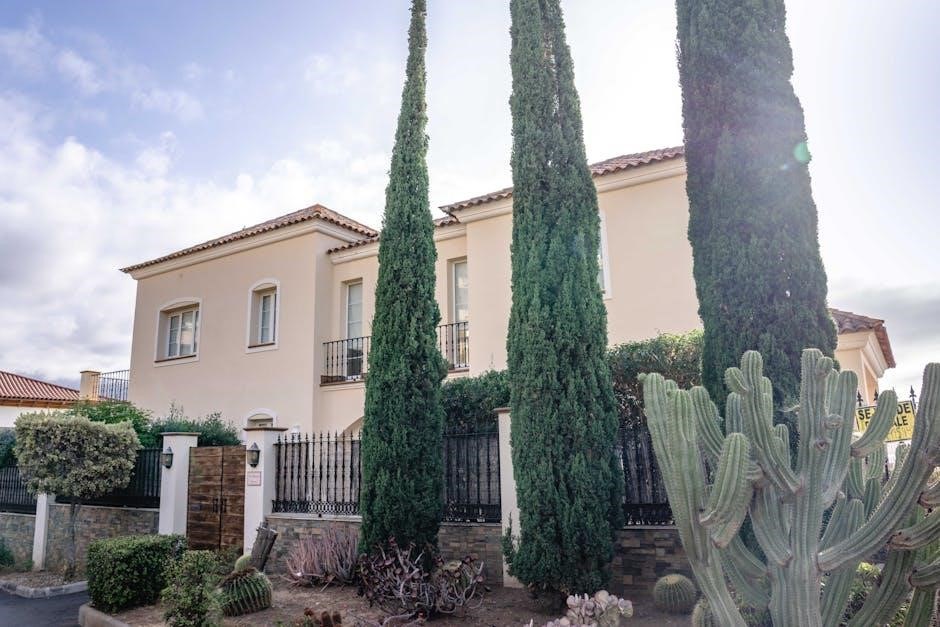
Regular upkeep is vital for smooth operation. Lubricate rollers and the track frequently to minimize friction and prevent sticking. Inspect all hardware – bolts, hinges, and latches – tightening as needed to maintain structural integrity.
Common issues include misalignment or binding. Address these promptly by adjusting rollers or track components. If problems persist, a professional inspection may be required to diagnose and resolve more complex issues efficiently.
Regular Lubrication of Rollers and Track
Consistent lubrication is paramount for effortless gate movement. Apply a silicone-based or lithium grease to rollers and the entire track length every six months, or more frequently in harsh climates.
This reduces friction, preventing sticking and extending the lifespan of components. Clean the track before lubricating to remove debris. Avoid oil-based lubricants, as they attract dirt and can worsen issues over time, ensuring optimal performance.
Inspecting and Tightening Hardware
Regular hardware checks are crucial for maintaining gate integrity. Inspect all bolts, nuts, and screws on the frame, track, rollers, and latching mechanisms quarterly.
Tighten any loose connections immediately to prevent misalignment or potential failure. Pay close attention to post anchors, ensuring they remain secure in their foundations. Addressing minor issues promptly avoids costly repairs and guarantees continued smooth operation and safety.
Addressing Common Issues: Sticking or Misalignment
Sticking or misalignment indicates a problem needing immediate attention. First, thoroughly clean the track, removing debris like dirt, leaves, and stones. Inspect rollers for damage or wear, replacing them if necessary.
If the gate still binds, check post alignment; slight shifts can cause significant issues. Lubrication can help, but persistent problems may require professional adjustment to ensure smooth, safe operation.
Security Considerations for Manual Sliding Gates
Manual gates rely on robust locking mechanisms for effective security. Invest in high-quality latches and consider supplemental locks for added protection. Reinforcing gate posts and frames is crucial, preventing forced entry attempts.
Strategic landscaping can deter intruders; avoid dense shrubbery near the gate. Regular inspections of all components ensure continued security, addressing any weaknesses promptly; A visible, secure gate enhances overall property safety.
Choosing Secure Locking Mechanisms
Selecting the right lock is paramount for manual sliding gate security. Deadbolt latches offer superior resistance compared to simple spring latches. Consider adding a secondary locking mechanism, like a cane bolt or drop rod, for increased protection.
Look for locks constructed from hardened steel, resisting cutting or tampering. Regularly inspect locks for wear and tear, ensuring smooth operation. A visible, robust lock deters potential intruders, enhancing overall security.
Reinforcing Gate Posts and Frames
Robust gate posts are the foundation of security for manual sliding gates. Ensure posts are deeply embedded in concrete, with proper footing dimensions based on gate size and weight. Steel posts offer superior strength compared to wood, resisting forceful impacts.

Reinforce the gate frame itself with additional steel bracing, particularly around locking points. Welding key joints strengthens the structure, preventing bending or breaking during attempted breaches. Regular inspection for corrosion or damage is crucial.
Landscaping for Enhanced Security
Strategic landscaping can significantly bolster the security of your manual sliding gate. Avoid dense shrubbery directly adjacent to the gate, as it provides cover for potential intruders. Instead, opt for low-growing, thorny bushes to deter .
Clear lines of sight are paramount; maintain trimmed hedges and trees. Install motion-activated lighting illuminating the gate area. Gravel driveways create noise, alerting you to approaching vehicles or individuals. Consider a security camera system integrated with the gate.
Cost Considerations for Manual Sliding Gates
Budgeting for a manual sliding gate involves several key expenses. Material costs vary widely – steel, aluminum, and wrought iron each have different price points. Installation labor can range significantly depending on complexity and location.
Expect to spend between $3,000 and $15,000 overall, with custom designs pushing costs higher. Long-term maintenance, including lubrication and hardware replacement, should also be factored into your budget. Careful planning ensures a secure and affordable gate solution.
Material Costs Breakdown
The choice of material significantly impacts the overall cost. Steel sliding gates generally represent a mid-range option, balancing durability and price. Aluminum, known for its corrosion resistance, can be more expensive upfront.
Wrought iron, offering classic aesthetics, typically commands the highest price due to its intricate designs and craftsmanship. Track and roller systems, along with locking mechanisms, contribute substantially to material expenses. Expect to allocate a significant portion of your budget to these core components.
Installation Labor Costs
Professional installation represents a substantial portion of the total expense. Labor costs vary based on location, installer experience, and the complexity of the project. Factors like site preparation, post anchoring, and gate alignment all influence the time required.
Expect to pay for skilled labor to ensure proper functionality and security. Complex installations, requiring custom welding or foundation work, will naturally incur higher labor charges. Obtaining multiple quotes is crucial for competitive pricing.
Long-Term Maintenance Expenses
While manual gates require less upkeep than automatic systems, ongoing maintenance is essential. Regular lubrication of rollers and the track is paramount to prevent sticking and ensure smooth operation. Inspecting and tightening hardware – bolts, hinges, and latches – should be done periodically.
Budget for potential repairs, such as replacing worn rollers or addressing minor frame damage. Proactive maintenance minimizes costly repairs and extends the gate’s lifespan, preserving its security and value.
DIY Installation vs. Professional Installation
Embarking on a DIY manual sliding gate installation can save on labor costs, but demands significant time, physical effort, and technical skill. Accurate measurements, proper foundation preparation, and precise alignment are crucial for functionality and security.
Professional installation ensures expertise, proper techniques, and adherence to local regulations. While more expensive upfront, it minimizes errors, guarantees a secure installation, and often includes warranties for peace of mind.
Pros and Cons of DIY
A DIY manual sliding gate installation presents cost savings as the primary advantage, eliminating professional labor fees. However, it requires substantial physical strength, accurate measuring skills, and a thorough understanding of construction principles.
Potential drawbacks include incorrect installation leading to operational issues, compromised security, and potential injury. Furthermore, ensuring compliance with local building codes falls solely on the homeowner, adding complexity.
When to Hire a Professional Installer
Opting for a professional installer is crucial when dealing with complex gate systems or challenging terrain. If you lack extensive DIY experience, or are unsure about local building codes, a professional ensures correct installation and long-term functionality.
They possess the expertise to handle heavy components safely, guaranteeing structural integrity and security. Investing in professional installation minimizes future repairs and potential safety hazards, offering peace of mind.
Finding a Qualified Installer
Locating a reputable installer requires diligent research. Begin by seeking recommendations from neighbors, online reviews, and local hardware stores. Verify licensing and insurance to ensure accountability and protection.
Obtain multiple quotes, detailing material costs and labor charges. A qualified installer will offer a thorough site assessment, discussing your specific needs and providing a transparent, detailed proposal. Prioritize experience with manual sliding gates specifically.