Rod guides are essential components of fishing rods, enabling smooth line control and sensitivity. They come in various types, such as spinning, casting, and fly fishing guides, each designed for specific techniques. Made from durable materials like Silicone Carbide, Torzite, and REC Recoil, these guides enhance performance and longevity, ensuring optimal fishing experiences.
What Are Rod Guides?

Rod guides, also known as rod rings, are circular or oval components attached along the length of a fishing rod. Their primary function is to guide the fishing line, ensuring smooth movement and control during casting and retrieval. Strategically placed, these guides help distribute the line evenly, enhancing sensitivity and balance. Made from materials like Silicone Carbide, Torzite, or REC Recoil, they are designed for durability and performance. Rod guides play a crucial role in maintaining line control, reducing friction, and preventing line tangles. They are essential for both freshwater and saltwater fishing, catering to various techniques and rod types, including spinning, casting, and fly fishing rods. Their quality and placement significantly impact the overall fishing experience.
The Role of Rod Guides in Fishing
Rod guides play a vital role in fishing by ensuring smooth line control and minimizing friction. They are strategically positioned along the rod to distribute the line evenly, enhancing sensitivity and balance. By reducing line tangles and friction, rod guides improve casting accuracy and retrieval efficiency. They also help in detecting subtle bites, allowing anglers to react quickly. Additionally, guides contribute to the overall durability of the rod by preventing line wear and tear. Properly functioning rod guides are essential for maintaining consistent performance, whether in freshwater or saltwater fishing. Their placement and quality directly impact the rod’s action, making them a critical component for a successful fishing experience.
Types of Rod Guides
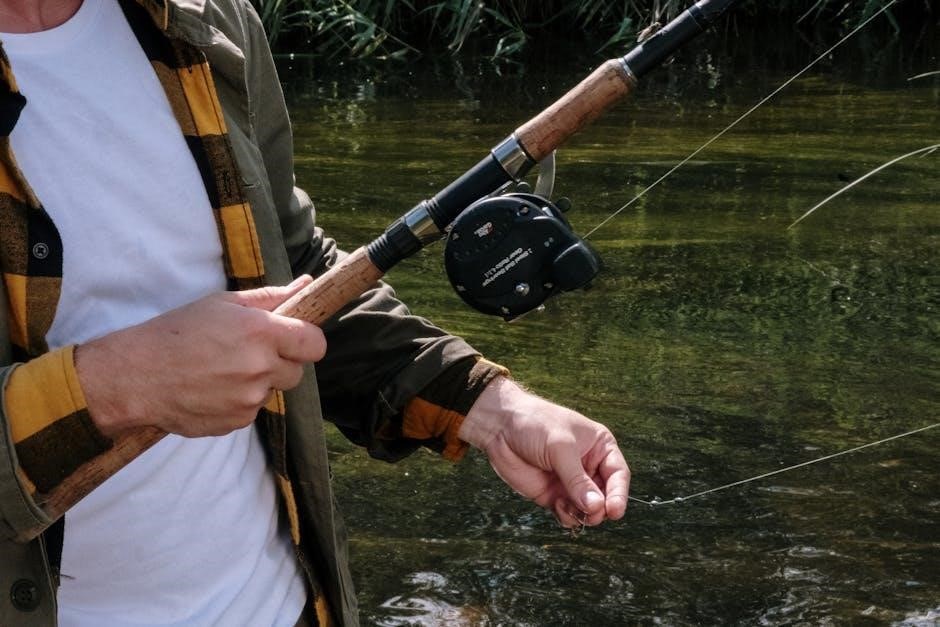
Rod guides vary, including spinning, casting, fly fishing, micro, and roller guides. Each type is designed for specific fishing techniques, ensuring optimal line control and performance.
Spinning Rod Guides
Spinning rod guides are designed to minimize line twist and friction, enhancing casting accuracy and distance. Their larger diameter reduces line wear, making them ideal for lightweight fishing. Durable materials like Silicone Carbide ensure longevity, while their versatility suits both freshwater and saltwater environments. These guides are a popular choice for anglers seeking smooth, consistent performance across various fishing techniques.
Casting Rod Guides
Casting rod guides are engineered for precision and control, particularly in baitcasting and heavy-duty applications. Their smaller diameter reduces line wear and minimizes friction, allowing for smoother casts and retrieves. Constructed from durable materials like Silicone Carbide, these guides offer exceptional strength and resistance to abrasion. They are ideal for handling larger fish and heavier lines, making them a favorite among experienced anglers. Casting guides are versatile, performing well in both freshwater and saltwater environments, and are often preferred for their ability to enhance the sensitivity and responsiveness of the rod. Their design ensures consistent performance, making them a reliable choice for various fishing techniques and conditions.
Fly Fishing Rod Guides
Fly fishing rod guides are specifically designed to handle the unique demands of fly fishing, where precision and line control are paramount. These guides typically feature a larger diameter to accommodate thicker fly lines and their leaders. Constructed from materials like Silicone Carbide, Torzite, and REC Recoil, they offer exceptional durability and minimal line friction, ensuring smooth casting and retrieval. Fly guides are strategically placed along the rod to enhance balance and sensitivity, allowing anglers to detect even the slightest bites. Their lightweight design reduces fatigue during long casting sessions, making them ideal for both freshwater and saltwater fly fishing applications. The right fly guide setup can significantly improve casting accuracy and overall fishing performance.
Micro Guide Systems
Micro guide systems are a modern innovation in fishing rod design, featuring smaller diameter guides spaced closer together along the rod. These systems reduce overall rod weight and improve sensitivity, allowing for better line control and casting precision. By minimizing line friction, micro guides enhance the smoothness of line flow, which is particularly beneficial for long-distance casting and handling delicate presentations. They are especially popular in spinning and casting rods, where their compact size and strategic placement optimize performance. Made from durable materials like Silicone Carbide, these guides offer exceptional wear resistance and maintain their effectiveness even under heavy use. Micro guide systems are a preferred choice for anglers seeking a balance of strength, sensitivity, and precision in their fishing experience.
Roller Guides for Heavy-Duty Fishing
Roller guides are specialized components designed for heavy-duty fishing applications, particularly in saltwater and trolling scenarios. These guides feature a rotating roller system that reduces line friction and prevents wear caused by intense drag pressures. Constructed from durable materials like stainless steel, roller guides are built to withstand the rigors of battling large fish and harsh marine environments. They are commonly used on conventional and trolling rods, where their smooth operation and line protection capabilities are crucial. Roller guides enhance the overall fishing experience by minimizing line fatigue and ensuring consistent performance under heavy loads. Their robust design makes them a reliable choice for anglers targeting large species in challenging conditions.
Materials Used in Rod Guides
Rod guides are crafted from durable materials like Silicone Carbide (SiC), Torzite, and REC Recoil, each offering exceptional hardness, resistance, and longevity for optimal fishing performance.
Silicone Carbide (SiC) Guides
Silicone Carbide (SiC) guides are renowned for their exceptional hardness and durability, making them a top choice for fishing rods. These guides are highly resistant to wear and tear, ensuring longevity even in harsh conditions. SiC guides are particularly praised for their ability to minimize line friction, which enhances casting distance and sensitivity. Many rod manufacturers favor SiC guides due to their consistent performance and reliability. They are ideal for both freshwater and saltwater fishing, offering superior strength and resistance to corrosion. Anglers appreciate the smooth operation and reduced line wear that SiC guides provide, making them a popular option for a wide range of fishing techniques and applications.
Torzite Guides
Torzite guides are a high-performance option for fishing rods, known for their durability and smooth line flow. They are often used by rod manufacturers as an alternative to Silicone Carbide guides, offering excellent resistance to heat and abrasion. Torzite guides are particularly effective in reducing line friction, which enhances casting accuracy and sensitivity. Their robust construction makes them suitable for both freshwater and saltwater fishing, where exposure to harsh conditions is common. Anglers appreciate the consistent performance of Torzite guides, as they maintain their integrity even under heavy use. While not as hard as SiC guides, Torzite guides provide a reliable balance of strength and smooth operation, making them a popular choice for many fishing applications.
REC Recoil Guides
REC Recoil Guides are a popular choice among anglers, known for their exceptional flexibility and durability. Made from a unique nickel-titanium alloy, these guides are highly resistant to corrosion and wear, making them ideal for saltwater fishing. Their innovative design allows them to “recoil” or flex under pressure, reducing the risk of damage to the rod or line. This feature is particularly beneficial when fighting large or aggressive fish. REC Recoil Guides are also lightweight, which enhances the overall sensitivity of the rod. Their ability to return to their original shape after bending makes them a favorite among custom rod builders. These guides are a versatile option for various fishing techniques, offering a perfect blend of strength, flexibility, and reliability for both freshwater and saltwater applications.
Other Materials and Their Characteristics
Beyond Silicone Carbide and Torzite, other materials are used for rod guides, each offering unique benefits. Aluminum oxide guides are known for their hardness and resistance to wear, making them suitable for heavy-duty fishing. Stainless steel guides are durable and resistant to corrosion, ideal for saltwater environments. Titanium guides are lightweight and corrosion-resistant, often used in high-end rods for their strength-to-weight ratio. Ceramic guides provide a smooth surface for line flow, reducing friction and preventing line wear. Each material is chosen based on specific fishing conditions and techniques, ensuring optimal performance. These diverse options allow anglers to customize their rods for various applications, from freshwater to saltwater and beyond.

Choosing the Right Rod Guides
Selecting the right rod guides involves considering your fishing technique, rod type, and fishing conditions. Materials like Silicone Carbide, Torzite, and REC Recoil offer durability and sensitivity. Proper guide size and spacing ensure optimal line flow and rod performance, enhancing your fishing experience.

Factors to Consider When Selecting Rod Guides
When selecting rod guides, consider your fishing technique, rod type, and the fishing environment. Spinning, casting, and fly fishing require different guide setups. Material quality, such as Silicone Carbide, Torzite, or REC Recoil, impacts durability and sensitivity. Guide size and spacing must align with the rod’s length and action for optimal performance. Heavy-duty fishing may demand roller guides, while lighter applications benefit from micro guides. The frame and ring composition ensure smooth line flow, reducing friction and wear. Matching guides to your specific needs enhances casting accuracy, line control, and overall fishing efficiency. Proper selection ensures a balanced rod, improving your chances of a successful catch.
Matching Guides to Fishing Techniques
Matching rod guides to your fishing technique ensures optimal performance. For spinning rods, larger guides near the tip reduce line twist, improving casting accuracy. Casting rods benefit from smaller, strategically placed guides to handle heavier lines and larger baits. Fly fishing requires specialized guides that accommodate thick, weighted lines while maintaining sensitivity. Heavy-duty fishing, such as saltwater or trolling, often uses roller guides to manage friction and stress. Micro guides are ideal for light applications, offering precision and control. By aligning guide type and size with your fishing style, you enhance line flow, reduce wear, and improve overall rod sensitivity, making every cast and retrieval more effective.
Guide Size and Spacing for Optimal Performance
Guide size and spacing play a crucial role in optimizing rod performance. Larger guides near the tip reduce line twist and improve casting accuracy, while smaller guides closer to the handle enhance sensitivity. Proper spacing ensures even line flow, minimizing friction and wear. For spinning rods, guides are typically smaller and spaced closer together to manage lighter lines. Casting rods use larger guides with more spacing to handle heavier lines and baits. Fly fishing rods require precise guide placement to accommodate thick, weighted lines. Incorrect sizing or spacing can lead to line tangles, reduced sensitivity, and poor casting distance. Balancing guide size and spacing ensures smooth line flow, enhancing overall fishing efficiency and accuracy.
Installation and Maintenance
Proper installation ensures rod guides function optimally, requiring precise alignment and secure fastening. Regular cleaning and inspection prevent debris buildup and wear. Replace worn guides promptly to maintain performance and prevent line damage.
How to Install Rod Guides
Installing rod guides requires precision to ensure proper alignment and functionality. Start by preparing the rod blank, cleaning it thoroughly to remove any dirt or oils. Next, carefully measure and mark the guide positions, ensuring even spacing for optimal performance. Apply a small amount of adhesive, such as epoxy or guide cement, to the base of the guide frame. Attach the guide to the marked position, holding it firmly in place until secure. Use a guide wrapping tool or a temporary fixture to maintain alignment while the adhesive dries. Allow the adhesive to cure completely before handling the rod. Finally, inspect the guides to ensure they are straight and properly seated. Proper installation is critical for maintaining the rod’s sensitivity and durability.
Maintenance Tips for Longevity
Regular maintenance is crucial to extend the life of your rod guides. After each use, clean the guides with a soft cloth and mild soap to remove dirt and grime. Avoid using harsh chemicals, as they can damage the materials. Inspect the guides for signs of wear, such as cracks or fraying, and address these issues promptly. Store your rod in a dry, cool place to prevent rust or corrosion. For SiC guides and Torzite guides, avoid exposing them to extreme temperatures. Lubricate the guides occasionally to ensure smooth line movement. By following these tips, you can maintain the performance and longevity of your rod guides, ensuring optimal fishing experiences for years to come.

When to Replace Worn-Out Guides
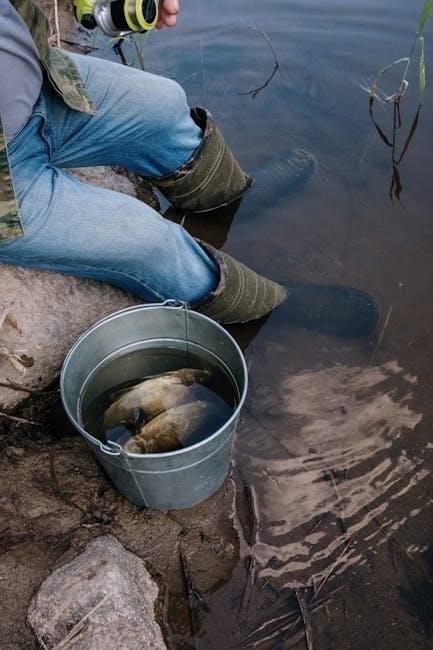
Regularly inspect your rod guides for signs of wear, such as cracks, grooves, or fraying. If a guide is visibly damaged or misshapen, it’s time to replace it. Bent frames or rings that no longer align properly can disrupt line flow and reduce sensitivity. Additionally, if the guide’s surface shows excessive abrasion or corrosion, it may compromise the line’s performance. Replace guides promptly to maintain optimal casting accuracy and prevent line tangling. Worn-out guides can also reduce the rod’s overall responsiveness, making it harder to detect bites. By addressing these issues early, you ensure your fishing rod remains in peak condition for consistent and enjoyable fishing experiences.
Advanced Topics in Rod Guides
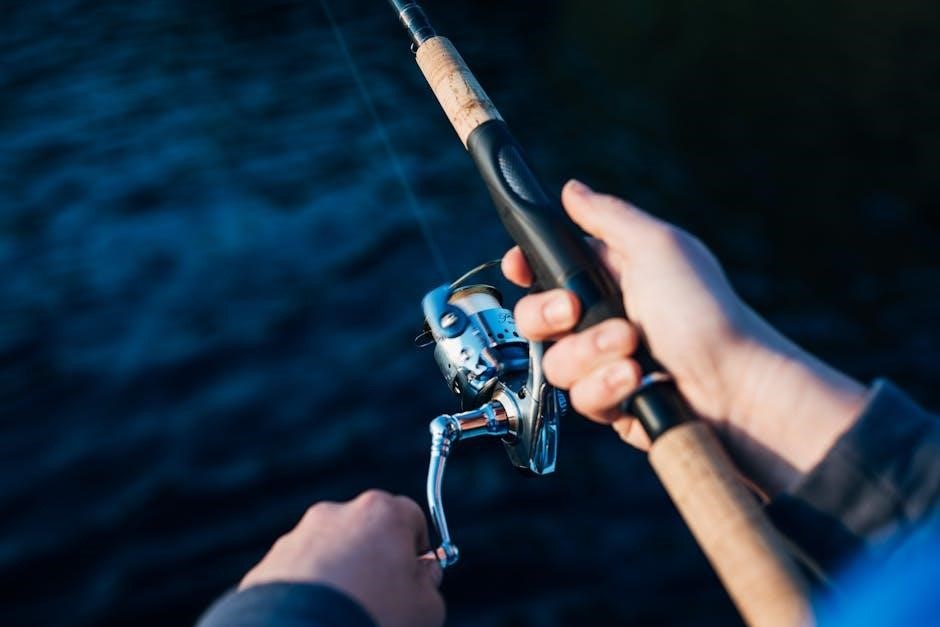
Explore custom rod building, tuning for sensitivity, and guide placement strategies to enhance performance, ensuring optimal line flow and precision in various fishing conditions and techniques.
Custom Rod Building: A Guide
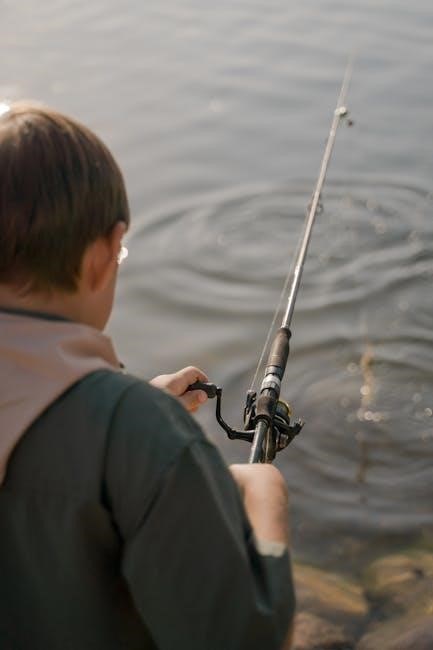
Custom rod building allows anglers to craft personalized fishing rods tailored to their specific needs and techniques. By selecting the ideal guide type, size, and spacing, enthusiasts can optimize performance for their preferred fishing style. Materials like Silicone Carbide (SiC) and Torzite guides offer durability and sensitivity, while REC Recoil guides provide excellent line control. Proper installation ensures smooth line flow, enhancing casting distance and accuracy. Customization also enables anglers to address specific fishing conditions, such as saltwater or freshwater environments. With careful planning and precision, custom rod building can result in a rod that outperforms mass-produced options, offering a unique and rewarding fishing experience.
Tuning Your Rod for Better Sensitivity
Tuning your fishing rod for better sensitivity involves optimizing its components to detect even the slightest bites. Proper guide placement and alignment are critical, as misaligned guides can reduce sensitivity and affect performance. Using high-quality materials like Silicone Carbide (SiC) or Torzite guides minimizes friction, allowing the line to flow smoothly and transmit vibrations more effectively. Additionally, ensuring the guides are correctly sized and spaced for your specific fishing technique enhances sensitivity. Regular maintenance, such as cleaning and inspecting guides, also plays a role in maintaining optimal performance. By fine-tuning these elements, anglers can achieve a more responsive rod, improving their ability to detect subtle bites and react quickly, ultimately leading to a more successful fishing experience.
The Impact of Guide Placement on Rod Action
The placement of rod guides significantly influences the overall action and performance of a fishing rod. Strategic positioning enhances sensitivity, allowing anglers to detect subtle bites more effectively. Properly aligned guides ensure smooth line flow, reducing friction and preventing line wear; Incorrect placement can lead to poor casting accuracy and reduced sensitivity. Guides that are too far apart or improperly spaced may result in uneven stress distribution, affecting the rod’s ability to flex and respond during a fight. Conversely, well-placed guides optimize energy transfer, enabling better hooksets and control. The spacing and alignment of guides are critical for achieving a balanced and responsive rod action, making guide placement a key factor in a rod’s overall performance and effectiveness in various fishing scenarios.
Troubleshooting Common Issues
Common issues with rod guides include line tangling, misalignment, and wear. Regular inspection and cleaning can prevent these problems. Replacing worn guides ensures optimal performance and longevity.
Identifying and Fixing Guide-Related Problems
Identifying issues with rod guides is crucial for maintaining optimal fishing performance. Common problems include line tangling, misalignment, and excessive wear on the guide rings. Inspect guides regularly for damage or debris buildup, as these can hinder line flow and sensitivity. For minor issues, cleaning the guides with a soft cloth or mild solvent can resolve blockages. However, if guides are severely worn or cracked, replacement is necessary to prevent line breakage. Proper alignment ensures smooth casting and retrieval, while lubricating moving parts can reduce friction. Addressing these problems promptly enhances durability and ensures a better fishing experience. Regular maintenance is key to extending the life of your rod guides and maintaining peak performance.
Common Mistakes to Avoid
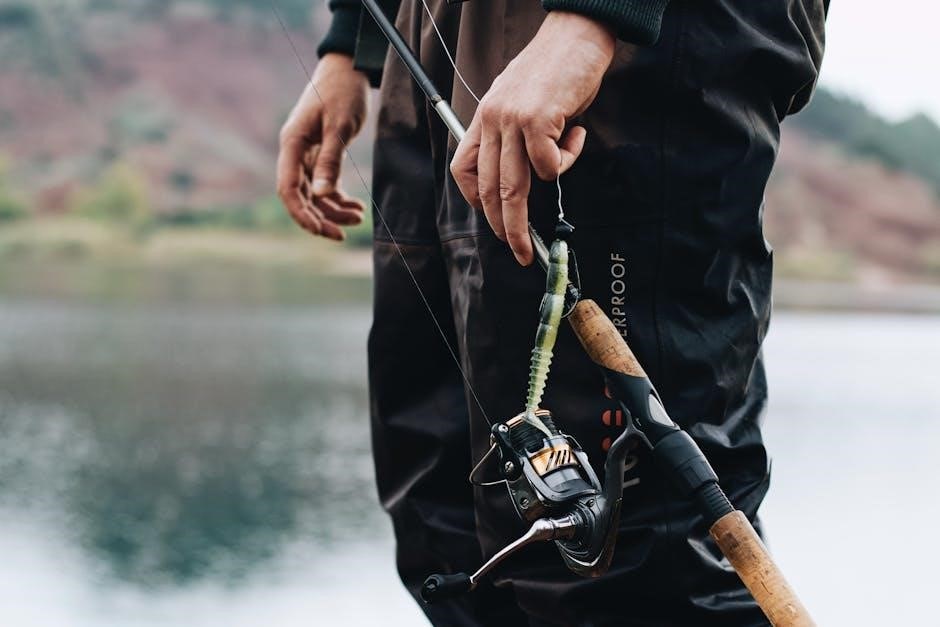
When working with rod guides, anglers often make avoidable mistakes that can hinder performance. One common error is using guides that are too small or large for the rod, leading to line tangles and reduced sensitivity. Improper installation, such as misaligning guides or using insufficient adhesive, can cause durability issues. Neglecting regular cleaning and maintenance allows debris to build up, affecting line flow. Over-tightening or loosening guide frames can damage the rod blank. Using the wrong material for specific fishing conditions, like using lightweight guides in heavy-duty settings, can lead to premature wear. Avoiding these mistakes ensures optimal rod performance and longevity, enhancing your fishing experience.
Rod guides are crucial for optimal fishing performance, offering precision, durability, and sensitivity. Advances in materials and designs continue to enhance their efficiency, ensuring better fishing experiences.
Final Thoughts on Rod Guides
Rod guides are indispensable for enhancing fishing rod performance, offering precision, durability, and sensitivity. Their design and material quality significantly impact casting accuracy and line control. Whether spinning, casting, or fly fishing, the right guides ensure a seamless experience. Modern materials like Silicone Carbide and Torzite provide exceptional hardness and resistance to wear, while REC Recoil guides offer flexibility and strength. Proper installation and maintenance are crucial for longevity, and advancements in guide technology continue to revolutionize fishing. By understanding and selecting the appropriate guides, anglers can optimize their gear for specific techniques, ensuring better results on the water. Investing in high-quality rod guides is a wise decision for any serious fisherman.
Future Trends in Rod Guide Technology
The future of rod guide technology is poised for innovation, focusing on enhanced performance and durability. Advances in materials science may introduce new hybrid frames combining strength and lightweight properties. Guide systems could become more customizable, allowing anglers to tailor their setup to specific fishing conditions. Micro guide systems might evolve further, offering even greater line control and sensitivity. Additionally, sustainable materials could gain prominence, aligning with eco-conscious trends. Smart guides incorporating sensor technology might emerge, providing real-time feedback on line tension and fish behavior. These advancements aim to elevate fishing efficiency and precision, ensuring rod guides continue to play a pivotal role in modern angling.